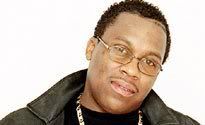

Buju Banton signs the Reggae Compassionate Act
Click Here to Read Signed contract
Read Newspaper Article
Read Pink News UK Gay News and the British newspaper the Guardian report that reggae and dancehall star Buju Banton is the fourth artist to sign the RCA, Reggae Compassionate Act. RCA is a part of the gay rights campaign ‘Stop Murder Music’. Other artists, such as Beenie Man, Sizzla and Capleton, have already signed the act.
Article by Kristina Funkeson, Freemuse
Freemuse has previously reported about gay activists fighting the anti-gay music, the so called ‘murder music’, which has led to the boycott of several reggae musicians. Some lyrics have also been investigated by the Scotland Yard and as a result, the British government has been considering banning certain reggae stars from the UK.
Legitimate censorship?
Freemuse’s position when it comes to the censorship of music that glamorises violence and promotes hate is clarified by the Freemuse chairperson Martin Cloonan: “While it is an anti-censorship organisation, Freemuse does recognise that there may be occasions on which free speech can legitimately be restricted. In general we judge on a case by case basis and are guided by international conventions such as the Universal Declaration of Human Rights.”
Long battle
The ‘Stop Murder Music’ campaign has been going on for three years, but the battle between gay rights activists and dancehall artists has lasted much longer - about 15 years according to the Guardian. All the artists targeted by the ‘Stop Murder Music’ campaign have previously released anti-gay hate songs.
The Guardian describes Banton as “one of the most notoriously homophobic figures in reggae and dancehall music”. In 1992 he released ‘Boom Bye Bye’ and the song was a big hit although it advocated the shooting of gay men, pouring acid on them and burning them alive. After three years of campaigning against ‘murder music’, Banton’s signature is a symbol of the gay right campaign’s widespread influence.
Undermining homophobia
When signing the RCA, the artists promise not to produce music or make public statements inciting hatred against gay people. Neither can they authorise the re-release of previous homophobic songs. This applies to all over the world. The RCA says: “Artists of the Reggae Community respect and uphold the rights of all individuals to live without fear of hatred and violence due to their religion, sexual orientation, race, ethnicity or gender.”
The deal is a result of the collaboration between top reggae promoters and gay organisations all over the world. The campaign has resulted in the cancellation of hundreds of concerts, sponsorship and advertisement deals. And even more important: “This deal is already having a huge positive impact in Jamaica and the Caribbean. The media coverage has generated public awareness and debate; breaking down ignorance and undermining homophobia”, Peter Tatchell from the British human rights group ‘OutRage!’ says to the UK Gay News.
Sincere commitment?
Tatchell has been involved in negotiating the deal with the dancehall artists. He tells UK Gay News: “The singers’ rejection of homophobia and sexism is an important milestone. We rejoice at their new commitment to music without prejudice.”
But it still remains to see how sincere Buju Banton has been when signing the act. A spokesman for J-Flag, a Jamaican gay rights group, tells the Guardian: “I really hope that his actions are genuine and is not just because international pressure is hurting his pocket. We hope it is a sincere commitment that will end homophobic violence.” He is not the only one to fear that the change of mind is due to economic reasons. According to UK Gay News, the three-year-long ‘Stop Murder Music’ campaign is estimated having cost the Jamaican artists about five million US$.
Nevertheless - every step towards a more accepting attitude concerning homosexuality is welcomed by Jamaican gay rights groups. An article in the Time magazine describes Jamaica as “the most homophobic place on earth”. Gay sex is illegal and attacks on homosexuals occur frequently. Apart from that the media coverage is increasing public awareness regarding homosexuality; Tatchell underlines the importance of these major reggae stars renouncing homophobia. This is a signal to their fans and might also influence a wider audience in the long run.
Gay in Jamaica
The Jamaican authorities are condemned by the humanitarian organisations Amnesty International and the Human Rights Watch for not dealing with the severe violence homosexual men and women face every day. Verbal and physical attacks – such as beatings, rapes and murder - are widespread. Many homosexuals are threatened to death and driven from their homes and their belongings.
Time magazine reports that in Jamaica the anti-gay reggae is strangely mixed up with politics. Not only does the country have one of the world’s toughest anti-sodomy laws, but the major political parties regularly use homophobic music in their campaigns.
Homophobic atmosphere
UK Blackout magazine ask what the sources of this homophobic atmosphere might be? Jamaicans and students of Jamaican society have several different answers. “One factor is the confluence of West African and English cultures, together with a heavy overlay of God-fearing Christianity”, professor Jean Fuller Stanley says to UK Blackout. And according to Time magazine, this is how Banton grew up - in Kingston’s Salt Lane, a slum area dominated by ultraconservative Christian churches and extremely anti-gay Rastafarians.
In June 2004 Banton was charged with being a part of a mob severely beating of a group of homosexual men and forcing them to abandon their residence. The case was dropped and Banton claims that he is innocent, but it’s a fact that the Jamaican police often overlook evidence in anti-gay crimes. In fact – Human Rights Watch reports cases when the police themselves harass and attack supposed homosexuals and actively support homophobic violence.
The fight goes on
Before the gay activists take their eyes of the dancehall stars, they have to pass a trial period. If any of them break the agreement anywhere in the world - the campaign against them will be resumed, Tatchell informs UK Gay News. While Buju Banton continues his career without an anti-gay message, the ‘Stop Murder Music’ campaign keeps targeting artists who have not signed the act. Among these artists are Elephant Man, TOK, Bounty Killa and Vybz Kartel. Elephant Man states in one song: “Two women gonna hock up inna bed/That’s two Sodomites dat fi dead.” (Two women in bed / That’s two Sodomites who should be dead.)
Tatchell calls attention to that the homophobic songs of these artists are a moral equivalent of neo-Nazis and the Ku Klux Klan. He calls for a world-wide boycott to make them reconsider their opinions.
Source: